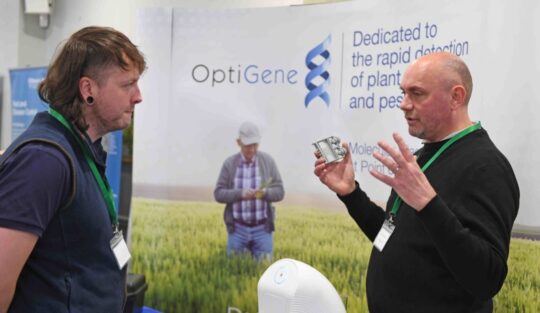
The latest UK Food Security Report 2024 has been released.
Why this Report Matters:
The UK Food Security Report provides indicators and themes on the impacts of plant, crop, and animal pests and diseases on food security. It also offers a global perspective on the risks to food systems, making it highly relevant to our focus on diagnostic tools for pest and disease management.
Key Highlights Related to Pest and Disease Sectors:
1. Food Security as a Global Issue: Food security challenges are not confined to the UK. Pest and disease control impacts all regions, requiring global collaboration and innovative solutions.
2. Continued Growth in Food Production: Despite increasing challenges, food production has kept pace with population growth. However, further resilience is needed to sustain this trend.
3. Accelerating Agricultural Stresses from Climate Change: Climate change exacerbates agricultural stresses, including weak productivity, volatility, and system instability. Rising temperatures are speeding up pest and disease lifecycles, increasing pressure on host species and food production systems.
4. Food Loss and Waste: Food loss, particularly at the production stage due to pests and diseases, represents a significant environmental and economic loss. Enhanced surveillance and diagnostic tools are critical to mitigating this issue.
5. Global One Health Approach: Traditionally, plant, crop, and animal health risks were analysed in isolation. The report emphasizes an integrated ‘Global One Health’ approach, viewing these risks as interconnected with wider environmental and ecosystem concerns. This shift positions pest and disease monitoring as part of the broader technical toolbox.
6. Fall Armyworm (FAW): The FAW, a plant pest that primarily feeds on maize and other crops, is highlighted as a significant global threat. Effective detection and surveillance tools are essential for its management, presenting a critical area for OptiGene’s solutions.
7. Antimicrobial Resistance (AMR): AMR in food-producing animals and plants is a growing threat. Integrated pest and disease management techniques, including early detection and identification, are necessary to reduce AMR and ensure sustainable food security.
8. Novel Pathogens: The emergence of new pathogens poses challenges to food security, with diseases evolving faster than crop resistance. Surveillance tools like LAMP can play a vital role in detecting resistance and managing these threats effectively.
9. Marine and Aquatic Threats: Warmer waters are increasing the prevalence of marine pests and pathogens, such as parasitic copepods affecting salmon and bacteria in shellfish. Enhanced diagnostic capabilities are needed to protect marine food systems.
10. High-Risk Import Zones: Ports such as Dover and Folkstone, which handle the highest throughput of food imports into the UK, are critical control points. Dairy, meat, and fresh produce make up the majority of imports, requiring robust monitoring systems to mitigate risks.
OptiGene’s Role:
Our commitment to advanced molecular diagnostics positions us to tackle the challenges highlighted in the UK Food Security Report 2024. From early detection of pests and diseases to supporting sustainable food systems, our solutions are integral to safeguarding food security.
Contact us:
How are you addressing the challenges of sustainability, pest and disease management, and innovation? Let’s collaborate to build a resilient and sustainable future for global food security.