


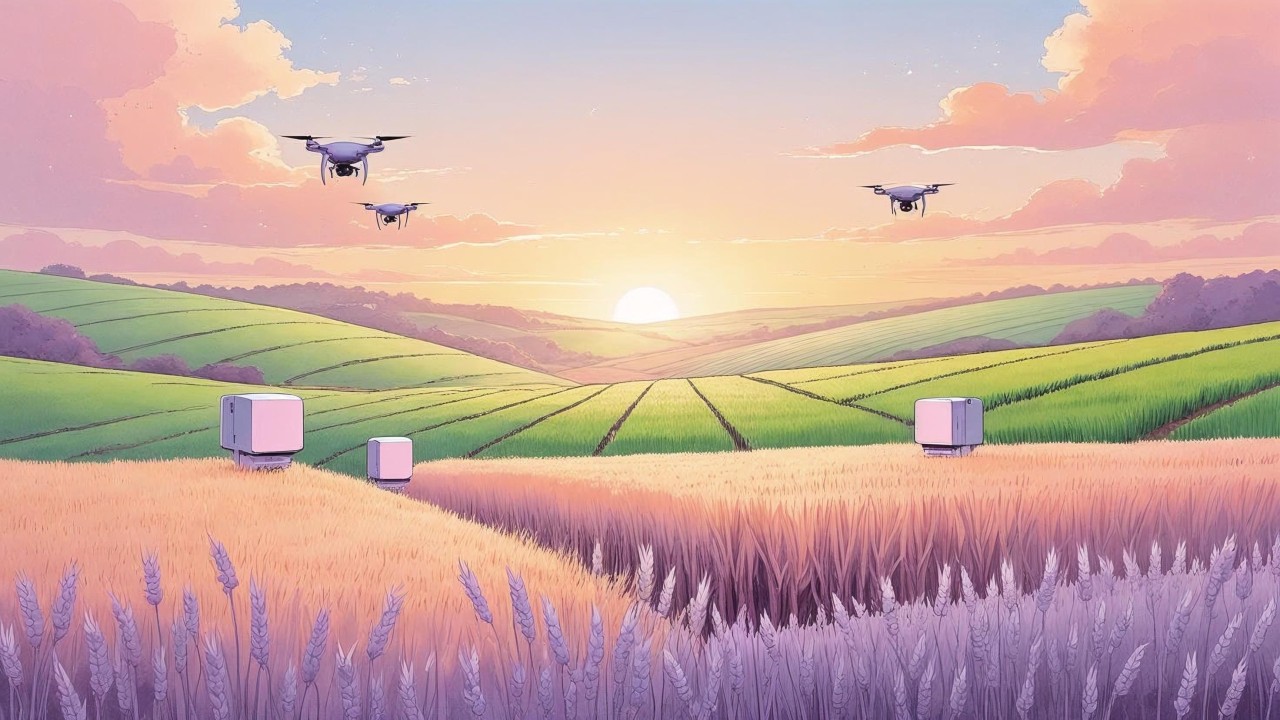
As we hit the mid-point of 2025, it’s clear farming and agri-tech have moved from niche concern to national priority, driven by innovation, sustainability, and a public that is more engaged with where its food comes from than ever before.
1. Farming in the Public Eye, and on the Public’s Plate
Farming isn’t just on the agenda, it’s in the spotlight. Across 2025, public interest in where food comes from has surged, with sustainability driving that attention.
Open Farm Sunday drew over 150,000 visitors this year, with 91% saying they felt more motivated to buy British produce afterwards. When people see farming up close, they connect with it and want to support it.
Even pop culture is shaping perceptions. The so-called “Clarkson Effect”, driven by ‘Clarkson’s Farm’, has brought farming realities to millions, sparking conversations about the value of local food and the pressures farmers face.
For growers, this matters. The public eye is increasingly focused on how we grow, not just what we grow, from carbon footprints to input use to local provenance. The “Buy British” movement is becoming part of the wider sustainability story.
2. Precision, Timing & Trust in the Field
Precision is the new baseline.
At Fruit Focus growers told us reactive approaches are no longer enough. Pre-symptomatic detection is now an expectation, enabling decisions before risks become visible. OptiGene’s tools deliver that clarity in the field, not days later in a lab.
Lab delays cost more than time.
At Cereals Event farmers were clear: by the time lab results arrive, it’s often too late. Our MDX4A platform gives real-time results, allowing immediate action.
Sustainability begins with early action. Doing more with less starts with knowing sooner. Early, accurate detection reduces inputs, protects ecosystems, and improves yield, all without compromise.
3. Agri-Tech as National Strategy
Agri-tech is no longer seen as “nice to have.” It’s at the heart of the UK Government’s Advanced Manufacturing Sector Plan, alongside frontier industries like AI and life sciences. This shift means:
- Innovation in farming is now a national strategy.
- Technologies that improve productivity, reduce emissions, and secure food supply are a government priority.
- £2.7 billion annually is committed to sustainable farming by 2028/29
Cross-sector collaboration between science, tech, and agriculture is critical, and OptiGene is at the forefront of this transformation.
4. OptiGene’s Role in the Shift
Our Grow Smarter approach directly supports the industry’s push for data-driven, sustainable farming.
- Pre-symptomatic detection helps farmers act earlier and smarter.
- Grow Smarter Playbooks turn data into actionable decisions, guiding when to test, treat, or hold off.
- Our solutions reduce waste, improve yield, and build resilience.
As our COO Ross Haffenden puts it:
“We’re not just targeting a single problem; we’re redefining what’s possible in the future of crop management.”
Looking Ahead
Farming in 2025 is public, strategic, and under intense scrutiny. Agri-tech is now a central pillar of both sustainability and national food security.
Grow Smarter isn’t just a slogan, it’s how we help growers stay ahead: moving from reactive to predictive, and from risk to resilience.
👉 Subscribe for the rest of our Grow Smarter series, or reach out to learn how MDX4A and our playbooks can help your farm make earlier, smarter decisions.


